Does hypersaline process water make SAP ineffective?
It reduces capacity substantially, and in very saline water the amount needed may be too high to be practical. Testing in the site's own water is the only way to know.

Firm up wet tailings, process sludge and sticky mineral waste that blocks chutes, slumps in trucks or will not stack.
On many Australian mine sites the process water is saline or hypersaline, which is a hard environment for any superabsorbent. AuraChem screens grades in your own process water and reagents to find out early whether polymer treatment is worth pursuing.
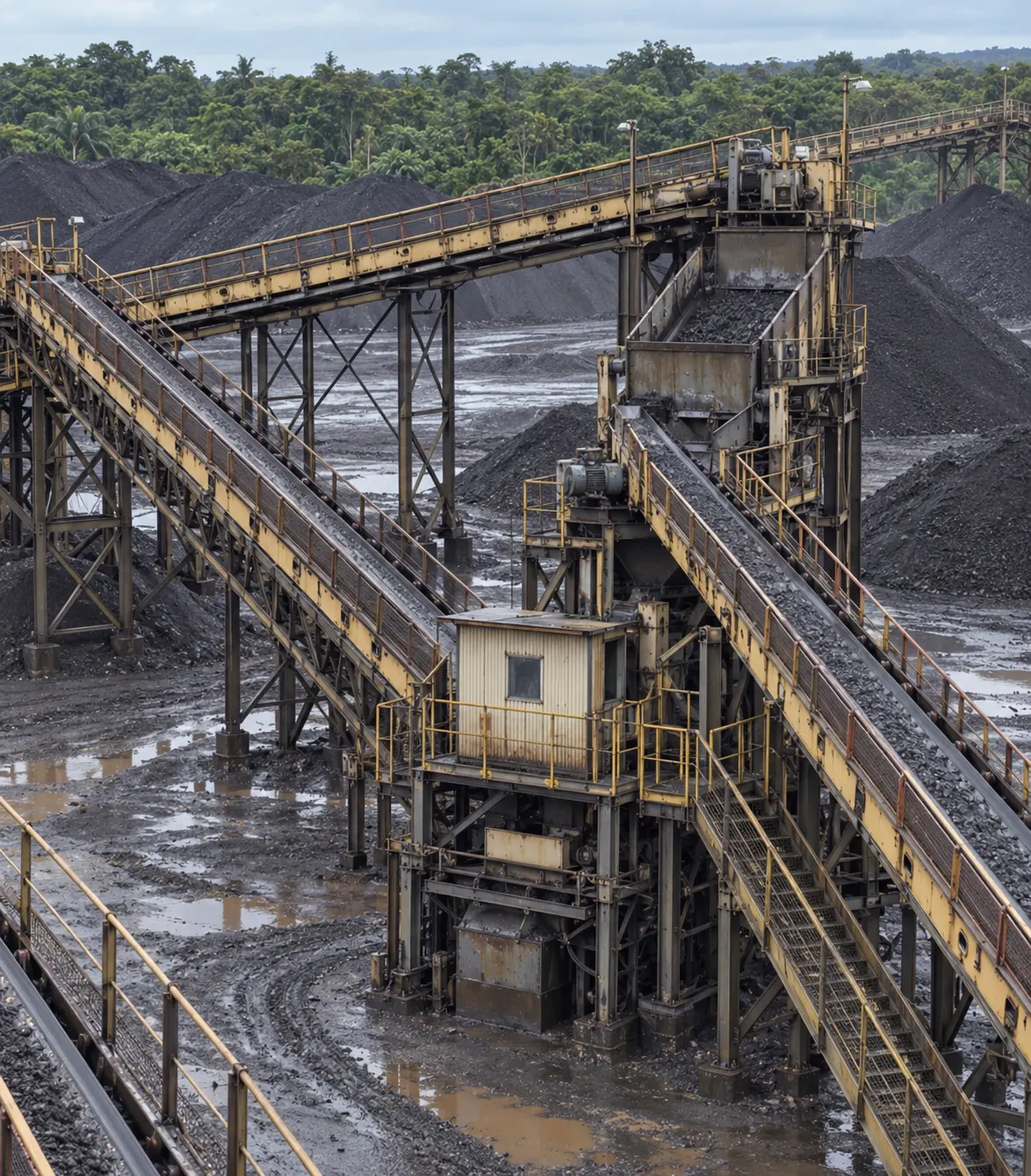
Moisture problems turn up at several points: tailings and process sludge cleaned out of thickeners, sumps and ponds; wet fines from wash plants; drill cuttings and mud from exploration programs; and run-of-mine material that arrives sticky after heavy rain. Wet fines hang up in bins and chutes, build up on conveyor belts and slump when hauled.
These streams need treating for different reasons. Waste going to a storage facility needs to stop draining or slumping, while material still heading into the plant has to stay compatible with everything downstream, which is a much higher bar.
Much of the Western Australian goldfields and other inland regions rely on saline or hypersaline groundwater for processing, and recycled process water builds up dissolved salts and metals over time. High salinity, particularly with calcium and magnesium present, sharply reduces how far a sodium polyacrylate can swell.
Process reagents add more variables. Flocculants from thickeners, flotation collectors and frothers, lime used for pH control and cyanide circuits all leave residues in tailings. Polymer should never be added to ore or concentrate that is still to be processed until the site has confirmed it will not affect recovery or product quality.
Polymer mixed through wet fines captures free water at the particle surfaces, which is what makes them sticky and prone to slumping. The material becomes more granular, sheds less water and is less likely to hang up or liquefy under vibration in a truck body.
In saline water the polymer holds much less than its clean-water rating, so the economics depend heavily on salinity. Screening answers that question early, before any equipment is installed.
Polymer is not added to production ore or concentrate until downstream compatibility has been confirmed by the site.
These are potential operational benefits subject to material testing and field or production validation.
Fewer hang-ups in bins and chutes from sticky fines
Less drain-down from wet tailings and sludge in trucks
Process sludge can be stacked rather than held in ponds
A low addition rate compared with lime or dry material blending
Screening shows whether polymer treatment is viable at your process water's salinity, which grade performs better, how much is needed and how the treated material handles. Where salinity or reagents make the dose uneconomic, the results say so early, and may point to thickening, filtration or blending instead.
It reduces capacity substantially, and in very saline water the amount needed may be too high to be practical. Testing in the site's own water is the only way to know.
Only after the site confirms it will not interfere with grinding, flotation, leaching or product quality. Waste streams are a simpler starting point.
No. Polymer handles residual moisture in material that already has to be moved. Bulk water recovery remains the job of thickeners and filters.
It can reduce stickiness by taking up surface moisture, but ore treatment needs downstream compatibility confirmed first.
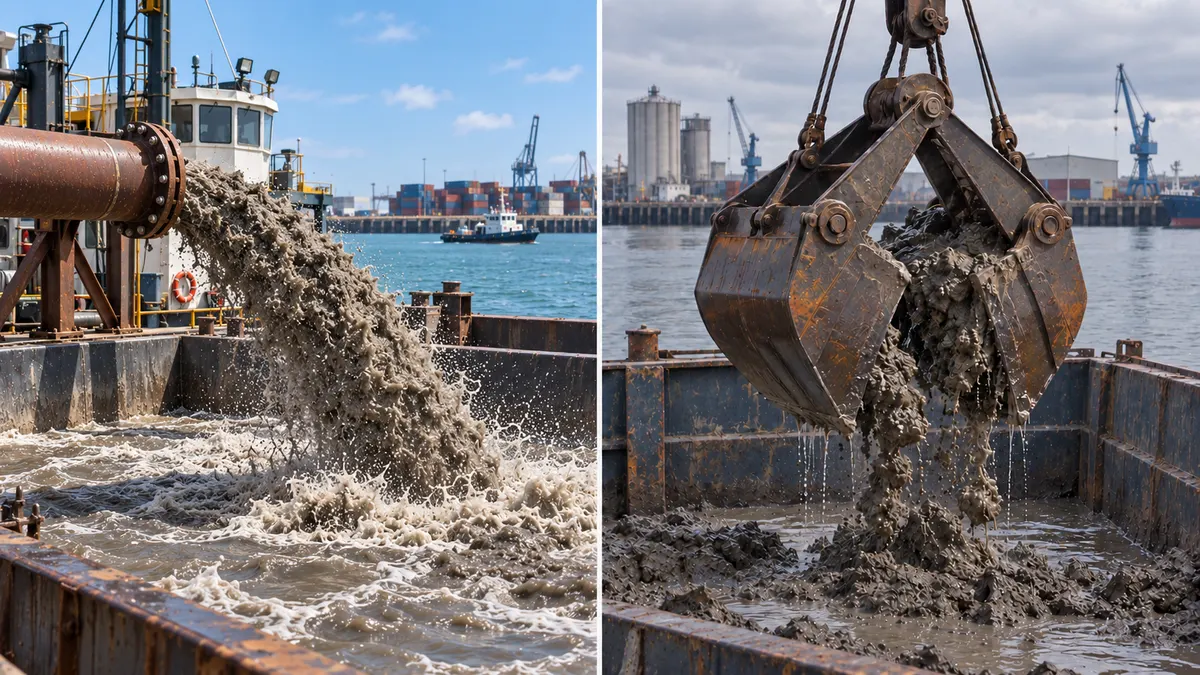
Fine silt in saline water raises the same salinity questions as tailings and process sludge.
Relevant Products
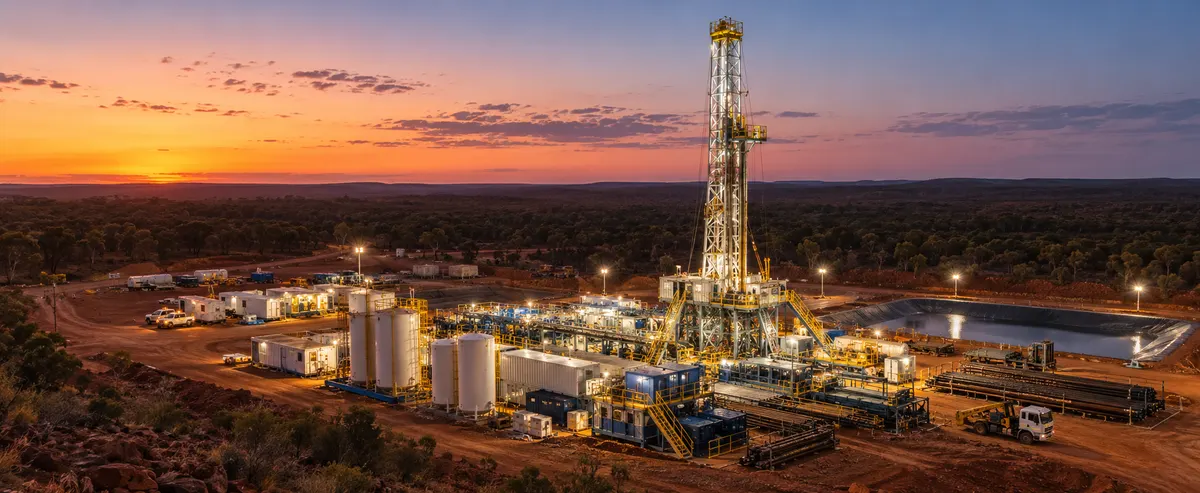
Exploration and grade-control drilling leave spent mud and cuttings on many mine sites.
Relevant Products
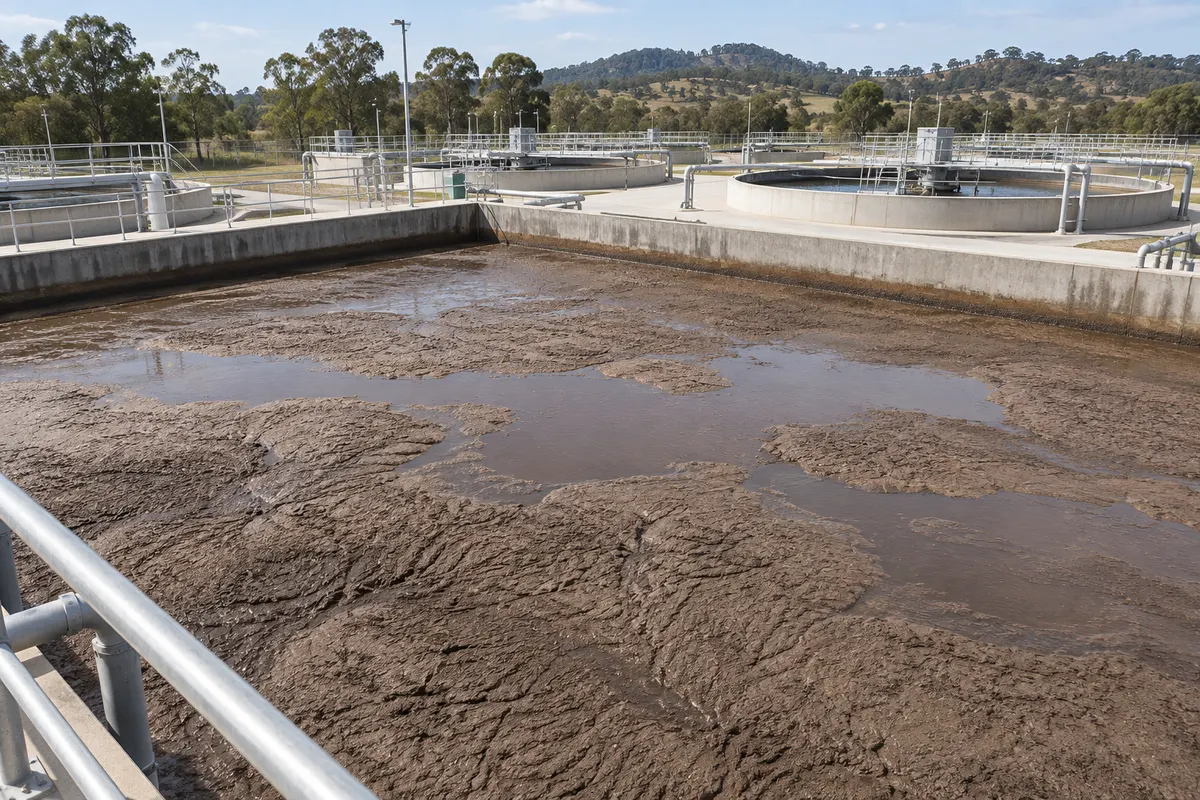
Process sludge carrying flocculants and coagulants responds much like dewatered industrial sludge.
Relevant Products
Send a wet waste sample with its process water and we will tell you early whether salinity makes treatment practical.